
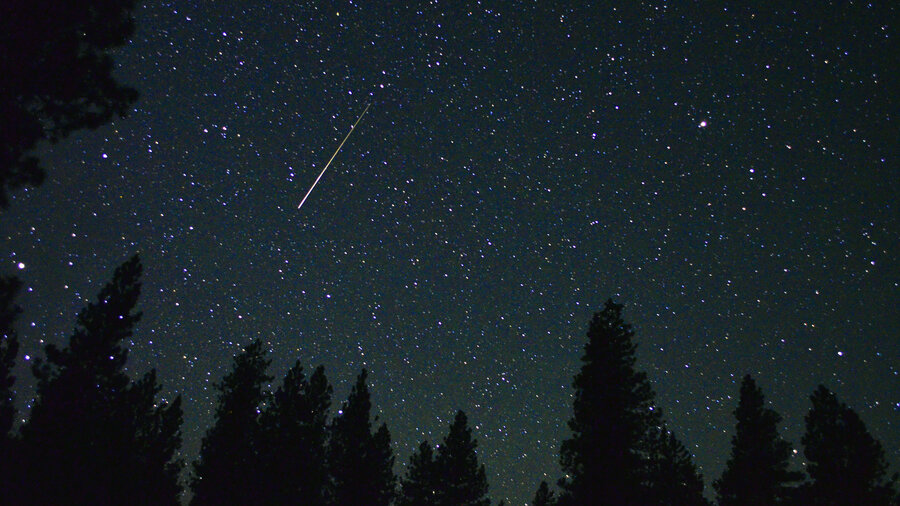
The Leonids are a prolific annual meteor shower associated with the comet Tempel–Tuttle, and are also known for their spectacular meteor storms that occur about every 33 years. The Leonids get their name from the location of their radiant in the constellation Leo: the meteors appear to radiate from that point in the sky. The name is derived from Greek and Latin with the prefix Leo – referring to the constellation and the suffix – ids signifying that the meteor shower is the offspring of, descendant of, the constellation Leo.
This year Leonid meteor shower peaks on the night of Monday, November 16 into the early hours of Tuesday, November 17, 2026, with the predicted maximum around 06:00 UTC on the 17th. Under dark skies the Leonids deliver 10 to 20 meteors per hour, fast, bright streaks from the dust trail of Comet 55P/Tempel-Tuttle, hitting the atmosphere at 71 kilometers per second, the fastest entry speed of any major annual shower.
A good time to look up is between midnight and dawn. Luckily, this year the Moon reaches its First Quarter phase on November 17 and sets around midnight, leaving skies dark during the prime viewing hours. While the Leonids may not be the biggest meteor shower of the year, in 2026, they come with a bonus: A Mars-Jupiter close approach in the constellation Leo, where the Leonid meteors appear to originate.